

Mergers and acquisitions are often celebrated as symbols of power, market share doubled, brand portfolios expanded, capital multiplied. But the moment a business acquires another, it absorbs more than assets. It takes on integration risks, delayed ROI, cultural friction, liquidity patterns, and operational unknowns. And until the conditions for success are met, that acquisition does not become leverage, but merely liability in disguise.
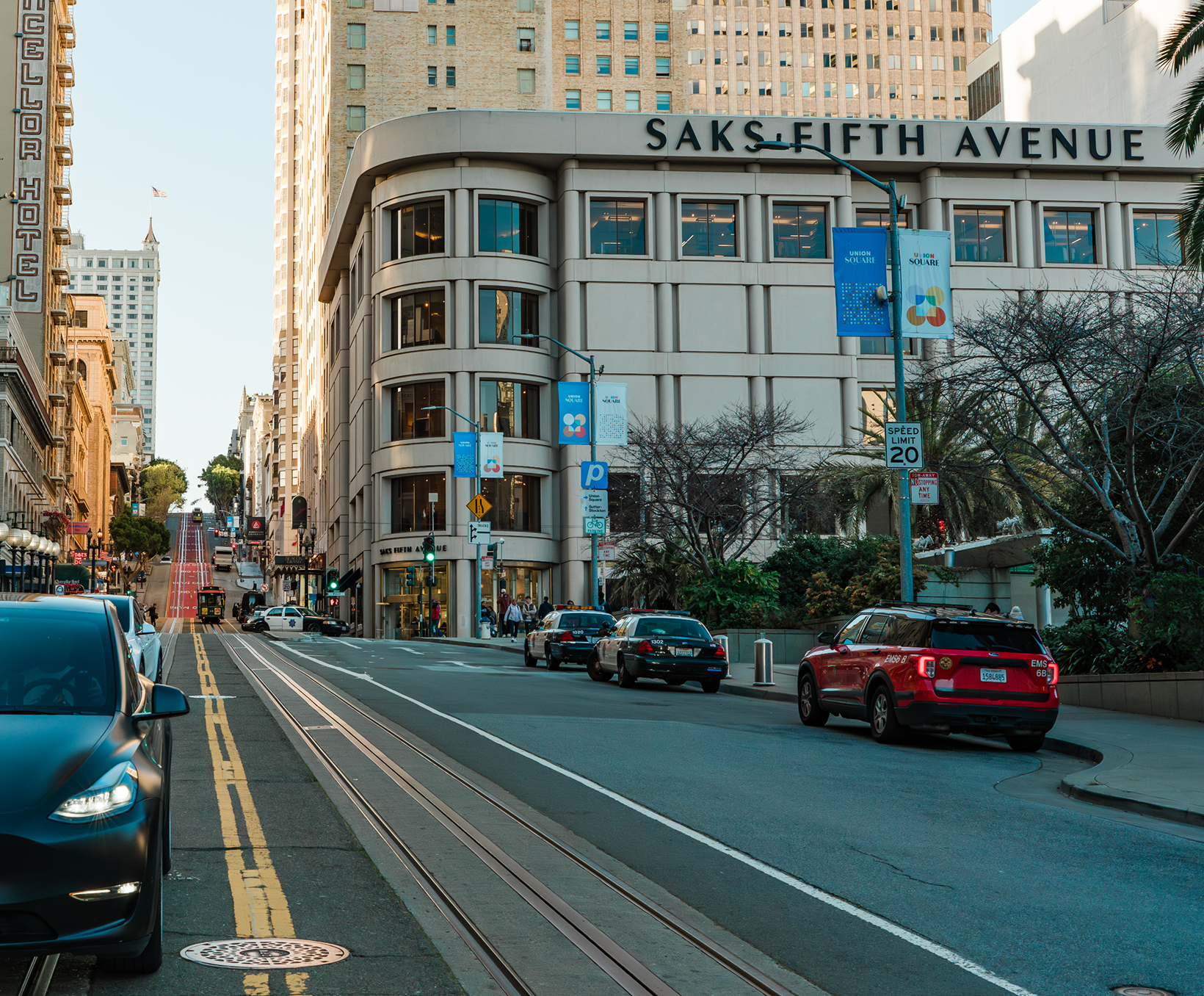
In December 2024, Saks Global acquired Neiman Marcus Group for $2.7 billion, forming a new luxury conglomerate housing Saks Fifth Avenue, Neiman Marcus, Bergdorf Goodman, and Saks OFF 5th. In January 2026, little over a year later, Saks Global filed for Chapter 11 Bankruptcy protection, listing liabilities between $1 billion and $10 billion. (Source: Reuters)
The news, while already brewing for a while, still left many confounded. Because while brand equity may appear strong to outsiders, the structure inside had been collapsing. For the financiers, this may be a story about retail and luxury goods. But for capital study, this is a case in how growth devours itself when conditional capital assumes leverage and the red is mistaken for strategy through gloss and glamour.
In this article, we break the story open through the lens of capital, examining what happens when businesses try to scale with fuel they cannot absorb, regardless of size, market share, legacy, or even performance.
Underneath the press releases and excitement, most M&A transactions rely on conditional capital to succeed. And conditional capital … has its conditions.